- Nov 24, 2025
- —
- 07 mins read
Keyboard Shortcut Bootcamp: Learn 20 Hotkeys in 20 Minutes
A quick guide to learn 20 time-saving keyboard shortcuts across macOS/Windows, Gmail, Google Docs, and browsers in 20 minutes to boost daily productivity.
















































































































Explorer posts by categories
Explorer posts by tags
 by Max Bennett
Let’s set the scene: You’re walking into your kitchen and you see a dirty spoon on the counter. You could rinse it and toss it in the dishwasher—it would take 12 seconds, max—but your brain goes, “Eh. Later.”
Fast forward three days. That one spoon has summoned a full revival of Utensil Uprising: sticky forks, unidentifiable bowls, and a coffee mug that’s been holding water like a science experiment.
Enter: The One-Minute Rule. This brilliantly simple productivity hack says: If something takes a minute or less to do, just do it now. Not later. Not when Saturn is in retrograde or when you’re finally “feeling productive.” Just now, before your brain can negotiate its way out of it.
The One-Minute Rule isn’t just clever—it works. And we’re going to dig into why, how, and what could go hilariously wrong if you take it too literally (yes, I did end up speed-folding socks for sport).
Let’s talk brains for a sec (don’t worry, no lab coats required). Your brain loves quick wins. Every time you finish a task—no matter how small—it releases a fancy chemical called dopamine. It’s basically your brain’s way of giving you a pat on the back.
Small tasks = fast wins = dopamine rush = motivation to do a slightly less small task.
It’s like tricking yourself into productivity by hitting the self-improvement version of a snack-sized candy bar.
Doing something small doesn't mean it's insignificant. It means you're building momentum.
Max Bennett
Spoiler alert: more than you think.
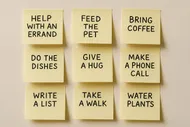
Here’s a rapid-fire list of one-minute tasks that tend to snowball nicely:
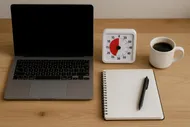
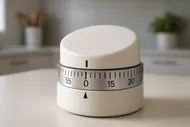
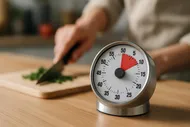
I started noticing how many tiny procrastinations I made in a day, and it was honestly a little terrifying. So I started timing them for fun—yep, we’re talking kitchen timer and everything.

(Also: there’s something delightfully rebellious about setting a timer not to be more efficient, but to prove how ridiculously short some tasks really are.)
So naturally, I tested it. A whole work-from-home Thursday where I attempted to obey the One-Minute Rule to its fullest. Here’s what happened:
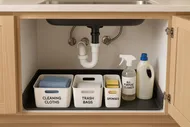
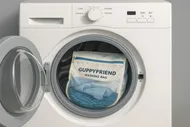
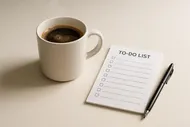
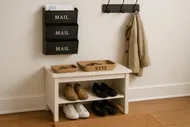
Total task time: 16 seconds. Feelings of smug superiority: 9/10.
Task Duration: 22 seconds. Room instantly felt 13% cleaner.
Time invested: 34 seconds. Coworker responded with ”👏 Fast reply!” I floated on that high for HOURS.
Time: 41 seconds. Space: infinite. Glory: eternal.
By the end of the day, I hadn’t taken any huge steps. But my space felt clearer, my email wasn’t yelling at me, and for once I didn’t close my laptop and immediately spiral into avoidant potato-mode on the couch.
I’ll level with you. I also encountered a slight… side effect.
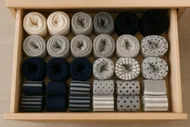
By 4 PM, I started chasing every micro-task like a caffeinated squirrel. Dust speck on the shelf? Gone. Socks misaligned in drawer? Corrected. Sticker residue on a salad dressing jar? Scrubbed furiously.
It was like a productivity sugar high—until I realized I’d avoided a 2-hour deep work task all afternoon.
The One-Minute Rule is not a replacement for real tasks. If you find yourself speed-Organizing your spice rack… again… pause. Prioritize. Breathe.
That said, don’t toss the whole technique. Use it as a warm-up, not a substitution. It’s momentum fuel, not your main engine.
It’s not about applying it obsessively 24/7 (unless you like that sort of chaos—some of us do). Here’s where it seriously shines:
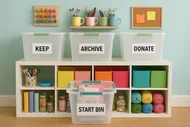
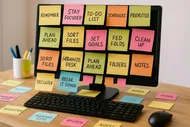
If your desk is covered in notes like a post-it jungle, you probably know the panicky avoidance that follows. One-minute wins can ease you back into order without pressure.
Your brain’s still booting up like a 1997 desktop PC. Don’t dive into spreadsheets. Instead: toss socks in the hamper. Pour water in your plant. Reply “yes” to Karen’s potluck invite. Boom—momentum!
The post-lunch fade is real. When your focus evaporates, use one-minute tasks to gently nudge yourself back to action. You’ll feel just productive enough to trick your brain back into gear.
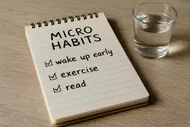
Want to really level up? Pair the One-Minute Rule with other tiny-but-mighty strategies like micro-habits or ta-da lists to create a productivity system that doesn’t feel like a spreadsheet slapped you in the face.
Some of my favorite combos:
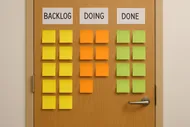
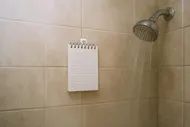
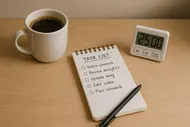
If your brain’s forgetful like mine (I once forgot I was boiling eggs… until they exploded), a little visual nudge helps. Try:

You can also turn it into a little game by counting how many one-minute tasks you nail each day. Yes, gamifying your life works!
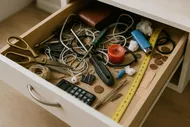
Internal accountability is great. External accountability is hilarious. Try texting a friend every time you finish five one-minute wins in a row. I did this with my friend Hannah and we ended up competitive-speed organizing our junk drawers.
You can also post your wins with us over on Instagram. Tag @mysimple.life.official and show us your lightning chores—just maybe don’t film yourself brushing your teeth in 47 seconds. (Unless it’s amazing. Then definitely do that.)
The One-Minute Rule won’t solve everything. But it’s the ultimate gateway drug into beating procrastination.
You get tidy rooms and timely replies. Your brain gets mini dopamine hits like it’s snacking on motivation candy. And sometimes those one-minute tasks build the momentum for the actual thing you were totally going to procrastinate on for three days.
Next time you walk past a pair of shoes that need rehoming, or a sock on the floor, or a tab that just needs to be closed:
Ask yourself: “Can I get this done in 60 seconds?”
And then just do it.
Your future self (and future sink) will thank you.
Try the One-Minute Rule for a full day. Track how many tasks you knock off without planning or procrastinating. Share your micro-win streaks with us on Instagram and tag @mysimple.life.official. Let’s see who earns the title of the Lightning Productivity Wizard!

Max Bennett
Max was once the king of procrastination, proudly sporting a "Deadline Enthusiast" badge. After realizing he spent more time organizing his desk than actually working, he dove headfirst into the world of productivity. Max now experiments with unconventional (and sometimes ridiculous) productivity hacks and shares what works—with plenty of laughs along the way.
A quick guide to learn 20 time-saving keyboard shortcuts across macOS/Windows, Gmail, Google Docs, and browsers in 20 minutes to boost daily productivity.
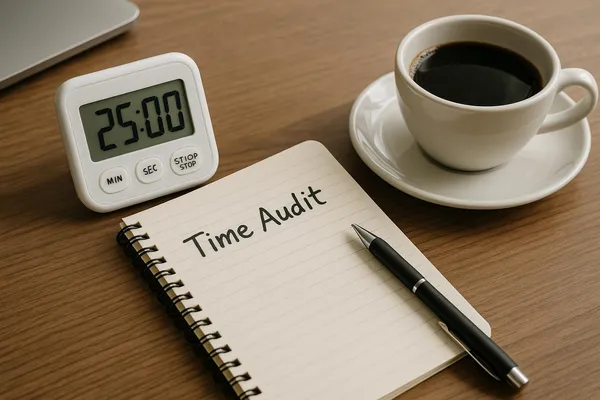
A practical, no-shame guide to a one-week time audit that reveals hidden time leaks, helping you reclaim 5–10 hours next week with simple logging methods, templates, and quick fixes.
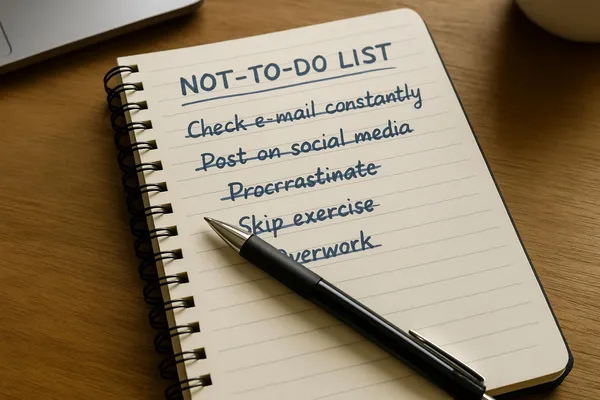
A concise guide to creating a Not-To-Do List that reduces decision fatigue, protects context, and frees up mental bandwidth for meaningful work—with practical steps and examples.